
@liftwithpurpos Okay Thanks for replying fast

Greg
1 year ago
Greg
1 year ago
Can you mention someone? https://steroidwiki.com/forum/post/8259/
Greg
1 year ago
Can you mention someone? https://steroidwiki.com/forum/post/8259/
Greg
1 year ago
Hello, Welcome on board! Are you on any AAS or just lifting?
Greg
1 year ago
What’s Inflammation?
Intense training and vigorous physical exertion in the gym lead to muscle tissue damage with increased inflammation. When the body releases chemicals that set off an immune response to combat infection or repair damaged tissue, inflammation occurs. As soon as the injury or infection is healed the inflammation process stops. During the exercise, if muscles are strained, the body responds by supplying more blood to the affected area to remove waste, get oxygen, and provide fuel. This makes the muscles inflamed, which is the body’s way of responding to injury.
Acute to Chronic Inflammation
Prolonged inflammation is harmful in the long run. Severe inflammation can hinder the smooth flow of blood and nutrient delivery leading to slow healing and sometimes permanent tissue damage. If you continue to work out your muscles (or don’t allow them to recover), you transition from acute inflammation to chronic inflammation or even chronic injury.
Common Signs of Inflammation
- Body pain
- Constant fatigue
- Insomnia
- Weight gain
- Frequent infections
- Gastrointestinal problems such as acid reflux
- Diarrhea
If you want to reduce inflammation while continuing to build muscle, aim for balance. For instance, if you’re feeling unusually achy or tired, try balancing your workout with some gentler sessions or get red light therapy. Strive for balance if you want to lower inflammation yet still increase muscle. For example, consider alternating your workout with a few gentler exercises or receive red light therapy if you're experiencing exceptionally high levels of fatigue or aches.
What is Red Light Therapy?
 Red light therapy is not a medical treatment and instead uses light to improve a range of disorders through the body’s inherent healing mechanisms. Also known as low-level laser therapy, low-power laser therapy, or low-level light therapy, this therapy employs red and near-infrared light in the treatment process to optimize the cellular response to injury. The concept is simple yet profound: By enhancing the production of mitochondria, red light therapy raises the levels of energy within cells hence enhancing their health and reducing inflammation.
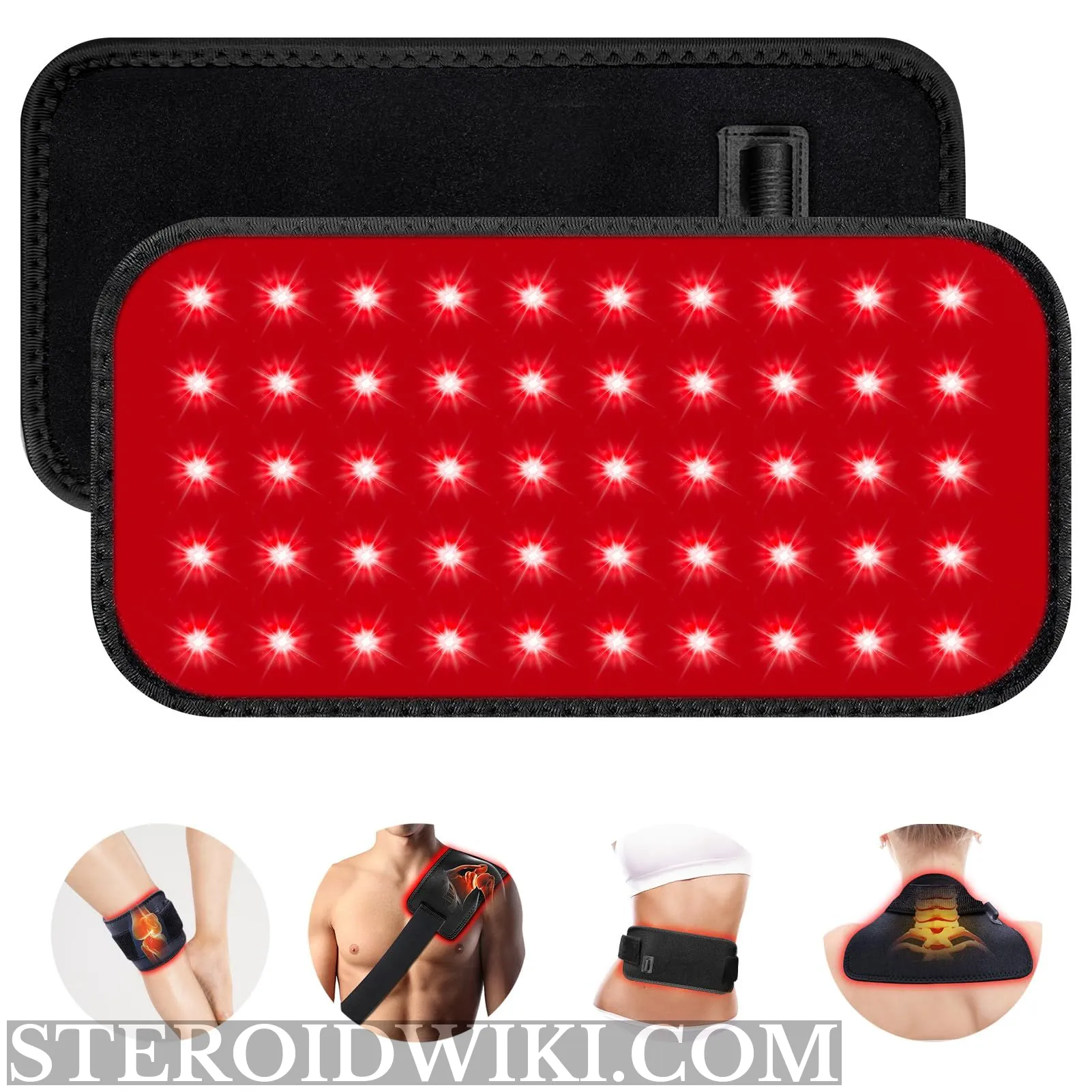 These lights penetrate the skin, reaching the targeted cells and tissues underneath, where they stimulate a spill of beneficial effects. This therapy is totally safe and non-penetrating when used correctly, although improper use can lead to skin burns or blisters.
Red Light Therapy Benefits to Bodybuilders
Red light therapy offers a comprehensive strategy for controlling inflammation and accelerating healing by increasing cellular energy, reducing reactive oxygen species, and enhancing blood circulation. Another vital aspect of red light therapy’s potency is its impact on blood circulation. Improved blood flow guarantees the effective delivery of vital nutrients and oxygen to tissues, as well as the more efficient removal of waste products from metabolism. Enhanced circulation supports tissue healing and reduces inflammation, making red light therapy a comprehensive approach to managing inflammatory conditions. It simply aids in boosting cellular energy, aiding tissue healing, and reducing inflammation. Thus, it appeals to those seeking natural, effective methods to manage pain and enhance overall wellness.
Who Should Avoid Red Light Therapy?
While red light therapy is generally safe, certain individuals should avoid it due to potential risks.
- People with a history of cancer should avoid red light therapy due to concerns it could potentially stimulate cancer cell activity.
- Individuals with specific health conditions should exercise caution and consult a healthcare provider before beginning treatment.
- Proper eye protection is essential to prevent damage during red light therapy sessions.

Greg
1 year ago
What’s Inflammation?
Intense training and vigorous physical exertion in the gym lead to muscle tissue damage with increased inflammation. When the body releases chemicals that set off an immune response to combat infection or repair damaged tissue, inflammation occurs. As soon as the injury or infection is healed the inflammation process stops. During the exercise, if muscles are strained, the body responds by supplying more blood to the affected area to remove waste, get oxygen, and provide fuel. This makes the muscles inflamed, which is the body’s way of responding to injury.
Acute to Chronic Inflammation
Prolonged inflammation is harmful in the long run. Severe inflammation can hinder the smooth flow of blood and nutrient delivery leading to slow healing and sometimes permanent tissue damage. If you continue to work out your muscles (or don’t allow them to recover), you transition from acute inflammation to chronic inflammation or even chronic injury.
Common Signs of Inflammation
- Body pain
- Constant fatigue
- Insomnia
- Weight gain
- Frequent infections
- Gastrointestinal problems such as acid reflux
- Diarrhea
If you want to reduce inflammation while continuing to build muscle, aim for balance. For instance, if you’re feeling unusually achy or tired, try balancing your workout with some gentler sessions or get red light therapy. Strive for balance if you want to lower inflammation yet still increase muscle. For example, consider alternating your workout with a few gentler exercises or receive red light therapy if you're experiencing exceptionally high levels of fatigue or aches.
What is Red Light Therapy?
Red light therapy is not a medical treatment and instead uses light to improve a range of disorders through the body’s inherent healing mechanisms. Also known as low-level laser therapy, low-power laser therapy, or low-level light therapy, this therapy employs red and near-infrared light in the treatment process to optimize the cellular response to injury. The concept is simple yet profound: By enhancing the production of mitochondria, red light therapy raises the levels of energy within cells hence enhancing their health and reducing inflammation.
These lights penetrate the skin, reaching the targeted cells and tissues underneath, where they stimulate a spill of beneficial effects. This therapy is totally safe and non-penetrating when used correctly, although improper use can lead to skin burns or blisters.
Red Light Therapy Benefits to Bodybuilders
Red light therapy offers a comprehensive strategy for controlling inflammation and accelerating healing by increasing cellular energy, reducing reactive oxygen species, and enhancing blood circulation. Another vital aspect of red light therapy’s potency is its impact on blood circulation. Improved blood flow guarantees the effective delivery of vital nutrients and oxygen to tissues, as well as the more efficient removal of waste products from metabolism. Enhanced circulation supports tissue healing and reduces inflammation, making red light therapy a comprehensive approach to managing inflammatory conditions. It simply aids in boosting cellular energy, aiding tissue healing, and reducing inflammation. Thus, it appeals to those seeking natural, effective methods to manage pain and enhance overall wellness.
Who Should Avoid Red Light Therapy?
While red light therapy is generally safe, certain individuals should avoid it due to potential risks.
- People with a history of cancer should avoid red light therapy due to concerns it could potentially stimulate cancer cell activity.
- Individuals with specific health conditions should exercise caution and consult a healthcare provider before beginning treatment.
- Proper eye protection is essential to prevent damage during red light therapy sessions.
Greg
1 year ago
@liftwithpurpos What was the ETA of your order?
Greg
1 year ago
I think testosterone Injection is more effective as it directly goes into the bloodstream. Gel absorption takes time and it's potency is also lower then the testosterone shot.
Greg
1 year ago
@Andrea All of this is not yet available?
Greg
1 year ago
What's your point? Come again https://steroidwiki.com/forum/post/8202/