
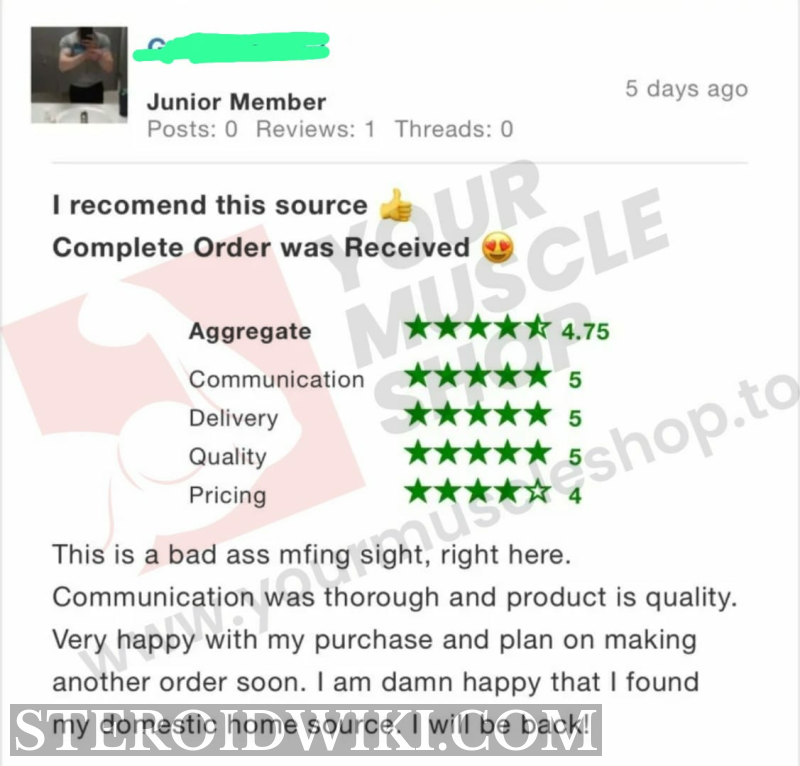
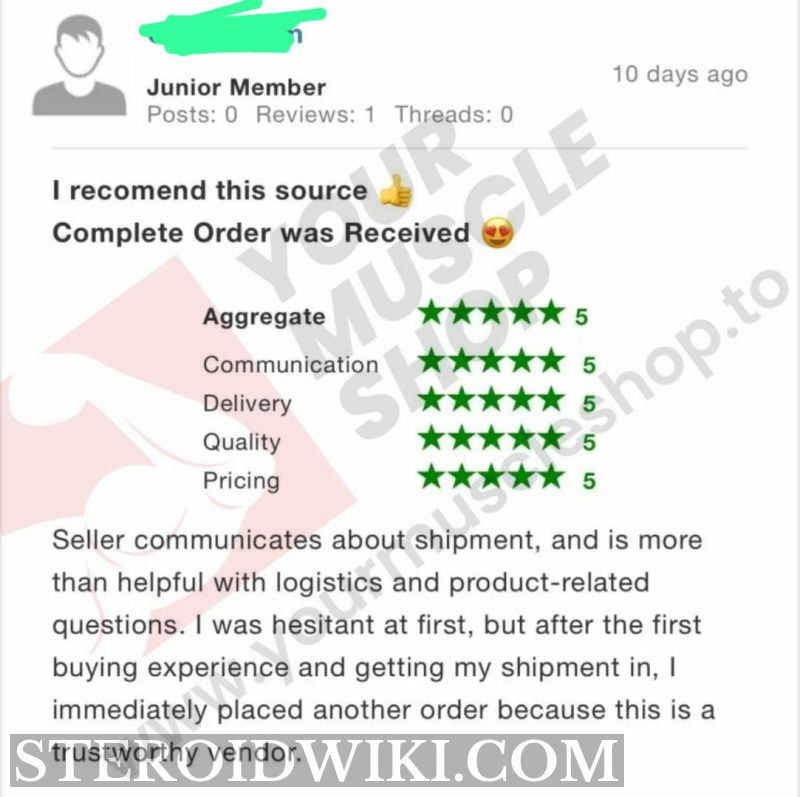
www.yourmuscleshop.to
“A Premium Quality Brand”
(We ship from USA within 24 hours)
Also Join us on : https://t.me/yourmuscleshop https://twitter.com/yourmuscleshop0


3 years ago

3 years ago

3 years ago
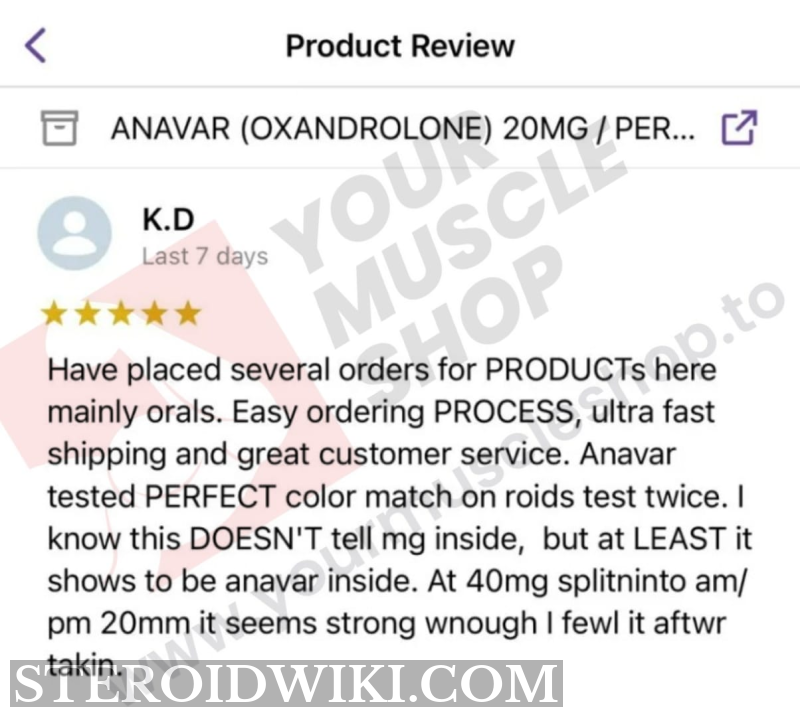
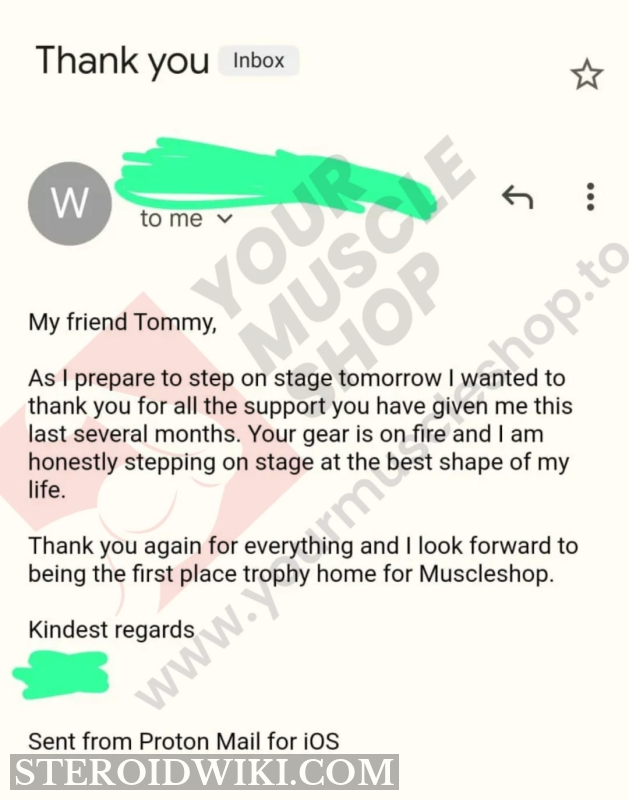
 www.yourmuscleshop.to
3 years ago
www.yourmuscleshop.to
3 years ago
www.yourmuscleshop.to
3 years ago
www.yourmuscleshop.to
3 years ago
Hey aisgood,
Building tolerance and improving fitness at the gym takes time and consistency. It's great that you've started your fitness journey, and with patience and effort, you can make progress. Here are some tips to help you build tolerance and improve your balance at the gym:
1.Gradually increase intensity: Start with a manageable pace and gradually increase the speed and incline on the treadmill over time. Push yourself, but listen to your body and avoid overexertion. Aim to make small progressions each week.
2.Mix cardio and strength training: Incorporate a combination of cardiovascular exercises like treadmill running with strength training exercises. This will help build overall endurance and improve your body's ability to handle workouts.
3.Prioritize consistency: Consistency is key when building tolerance and improving fitness. Try to establish a regular workout routine and stick to it. Consistently challenging yourself and staying committed will yield better results in the long run.
4.Take rest days: It's important to allow your body time to recover. Rest days are necessary for your muscles to repair and rebuild. Incorporate rest days into your routine to prevent burnout and reduce the risk of injury.
5.Engage in low-impact exercises: In addition to treadmill running, consider including low-impact exercises such as swimming, cycling, or using the elliptical machine. These exercises are easier on the joints and can help improve cardiovascular fitness without excessive strain.
6.Seek professional guidance: Consider working with a personal trainer or fitness professional who can design a tailored program for your specific needs and goals. They can provide guidance, monitor your progress, and offer tips to improve your form and balance.
7.Focus on core strength and balance exercises: Incorporate exercises that target your core muscles and improve balance, such as planks, stability ball exercises, or yoga. Strengthening your core will enhance stability and help prevent balance issues.
8.Use proper form and technique: Pay attention to your posture and form while exercising, especially on the treadmill. Maintain an upright position, engage your core, and use the handrails for support only when necessary. Practice good balance and gradually reduce reliance on the handrails as your confidence and stability improve.
9.Warm up and cool down properly: Prior to intense workouts, warm up your body with dynamic stretches or light cardio. This helps increase blood flow and prepares your muscles for exercise. Afterward, make sure to cool down with a few minutes of light exercise and static stretching to gradually reduce your heart rate and promote recovery.
Remember, building tolerance and improving fitness is a journey that takes time. Be patient with yourself, celebrate small milestones, and focus on making consistent progress. Listen to your body, rest when needed, and gradually increase the intensity as your fitness improves.
Jovana
> I (30f) recently started going to the gym. The problem is I am obese (100kg with 178cm height), with the majority of my weight on my hips and bum. > I try burning 900 kcal on the treadmill. However, I struggle a lot. I have to stop the treadmill multiple times, as I lose my balance if I run at 6 speed tops with 10 inclines. I also can't complete the 20 min cooldown on the stepper after I have run on the treadmill and done the exercises. How can I build resistance fast? Also, how can I stop losing my balance on the treadmill? Any tips?
3 years ago
The timing of protein shake consumption can vary depending on individual preferences and goals. Both pre- and post-workout protein shakes can be beneficial, and the choice often depends on your specific needs and routine. Here are some considerations:
1.Pre-workout protein shake: Consuming a protein shake before your workout can provide a readily available source of amino acids during exercise. This can help prevent muscle breakdown and support muscle recovery. Additionally, it may provide some energy for your workout. If you prefer to exercise in a fasted state or have a sensitive stomach, a pre-workout protein shake can be a good option.
2.Post-workout protein shake: Consuming a protein shake after your workout is a popular choice because it can help kick-start the muscle repair and recovery process. Exercise creates micro-tears in muscles, and consuming protein post-workout provides the necessary building blocks for muscle protein synthesis and recovery. This can aid in muscle growth, repair, and adaptation. Post-workout protein shakes are often recommended within 30-60 minutes after exercise to optimize recovery.
3.Combination approach: Some individuals choose to have both pre- and post-workout protein shakes. This can provide a sustained amino acid release during and after the workout, supporting muscle repair and growth.
Remember that while protein shakes can be a convenient way to supplement your protein intake, they should not replace whole food sources of protein. It's important to maintain a balanced diet and include other sources of protein from foods like lean meats, poultry, fish, eggs, dairy products, legumes, and plant-based protein sources.
Additionally, individual protein requirements vary based on factors such as body weight, activity level, and fitness goals. Consulting with a registered dietitian or a healthcare professional can help determine the appropriate timing and amount of protein intake to support your specific needs.
Jovana
> When should I be taking my protein shakes? > should I be taking them before my workouts or after my workouts? > I'm using a product I got from BB website > pretty sure it's good it had high reviews.
3 years ago
Very detailed and informative, much appreciated
Jovana
3 years ago
There are several common weight loss diets that people often follow to achieve their weight loss goals.
Here are some of them:
Low-carb diets: These diets restrict carbohydrate intake and focus on consuming protein and healthy fats. Examples include the Atkins diet and the ketogenic diet (keto diet).
Mediterranean diet: This diet emphasizes consuming fruits, vegetables, whole grains, legumes, lean proteins (such as fish and poultry), and healthy fats (such as olive oil). It limits processed foods, sugary beverages, and red meat.
Low-fat diet: This diet aims to reduce overall fat intake, particularly saturated and trans fats. It focuses on consuming lean proteins, whole grains, fruits, vegetables, and low-fat dairy products.
Plant-based or vegetarian diet: These diets emphasize plant foods such as fruits, vegetables, whole grains, legumes, nuts, and seeds. They may or may not include animal products, depending on the specific type (vegetarian, vegan, or flexitarian).
Paleo diet: Also known as the "caveman diet," it encourages eating foods that were available to our ancestors in the Paleolithic era. This includes lean meats, fish, fruits, vegetables, nuts, and seeds while excluding processed foods, grains, dairy, and legumes.
Intermittent fasting: This approach involves cycling between periods of fasting and eating. Popular methods include the 16/8 method (16 hours of fasting and an 8-hour eating window) or alternate-day fasting.
Weight Watchers (WW): This is a commercial weight loss program that assigns points to foods and provides support through group meetings or online resources. It emphasizes portion control and a balanced diet.
The Zone Diet: This diet focuses on balancing the intake of proteins, carbohydrates, and fats in a specific ratio to control insulin levels and promote weight loss.
DASH diet: Originally designed to help lower blood pressure, the DASH (Dietary Approaches to Stop Hypertension) diet emphasizes fruits, vegetables, whole grains, lean proteins, and low-fat dairy products while limiting sodium, sweets, and saturated fats.
It's important to note that the effectiveness and suitability of these diets may vary from person to person. It's always a good idea to consult with a healthcare professional or a registered dietitian before starting any new diet or weight loss plan. They can provide personalized guidance based on your specific needs and health conditions.
Kindly suggest any
> Kindly suggest any