


Table of Contents
- How to Gain Muscle and Strength Through Calisthenics
- What Is Calisthenics Training?
- The Best Calisthenics Exercises
- Calisthenics Vs. Bodyweight Training
- Calisthenics Vs. Weight Training
- How to Start Calisthenics Training
- Sample Calisthenics Workouts
- Benefits of Calisthenics
- How to Progress
- Key Takeaways
- Get Physical
- Conclusion
How to Gain Muscle and Strength Through Calisthenics
Calisthenics exercises are among the most basic ways to increase strength. Its roots come from the Greek words kállos (beauty) and sthenos (strength). Bodyweight training has always been a way to increase the human body’s strength; it is an effective way to get strong without weights nowadays.
Any exercise you do in the gym can be performed without weights. Calisthenics will develop functional strength, whole-body muscle and stability while moving gracefully through space. Calisthenics can help you achieve a sculpted body, look like a Greek god, or just find a great way to exercise outdoors.
What Is Calisthenics Training?
Calisthenics is a form of resistance training that uses your own body weight. Resistance training puts stress on your muscles to build up their muscle tissue and strength. Instead of using extra weight for progression, variations in calisthenics movements, base changes, and volume can be used to progress.
Bodyweight work activates several muscle groups, resulting in greater stability, balance and coordination. Even simple exercises such as push-ups or squats involve more muscles than you may realize.
The Best Calisthenics Exercises
Calisthenics emphasizes basic movement patterns: push, pull, squat, hinge, lunge, core work. These multi-joint, multi-muscle exercises are more challenging.
Upper-Body Exercises
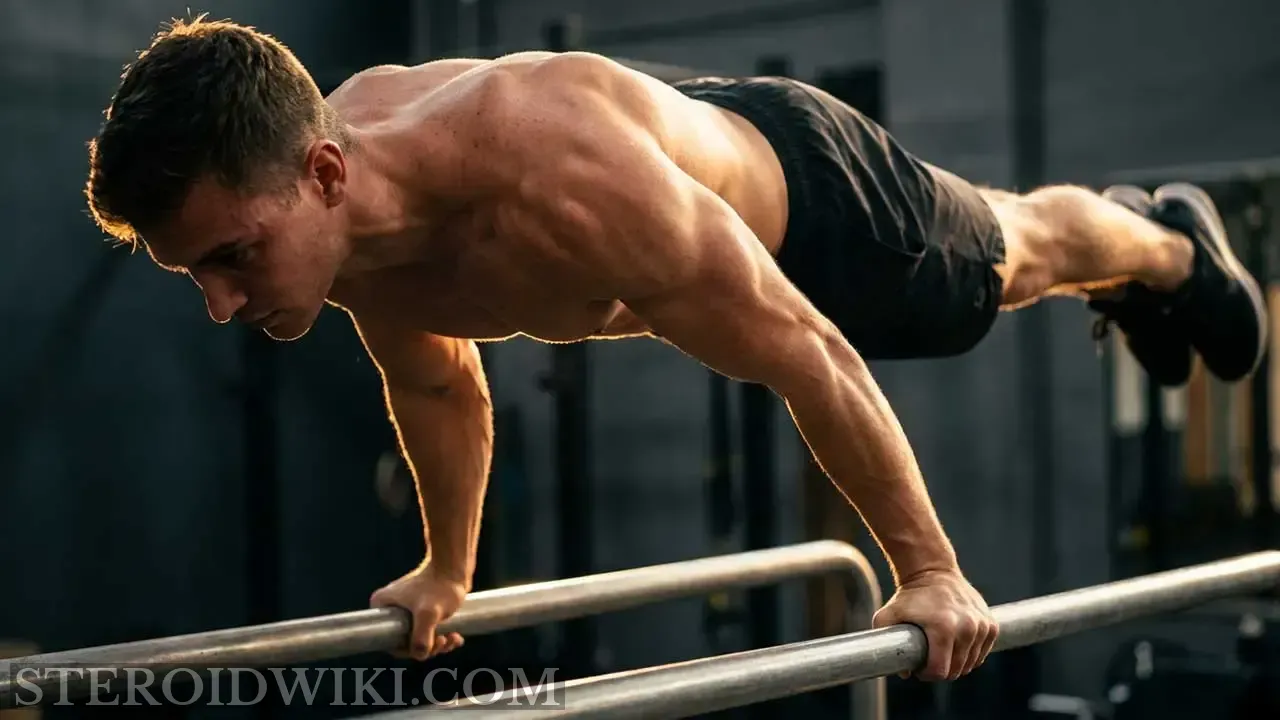
Upper-body calisthenics targets the chest, back, arms and shoulders. Include some basic push-ups for beginners, as well as handstand push-ups and muscle-ups for a more advanced level. Pull-ups, dips and rows target multiple areas of the body using a bar or support and are highly effective.
- Push-Up
- Pull-Up
- Dip
- Inverted Row
- L-Sit
- Handstand
- Muscle-Up
- Burpee
Lower-Body Exercises
Squats, lunges and hip hinges begin on the lower-level moves. Progressions such as “pistol squats” or “jump” create difficulty and challenge balance.
- Glute Bridge
- Squat
- Good Morning
- Pistol Squat
- Step-Up
- Box Jump
- Lunge
- Bulgarian Split Squat
- Jumping Lunge
Core Exercises
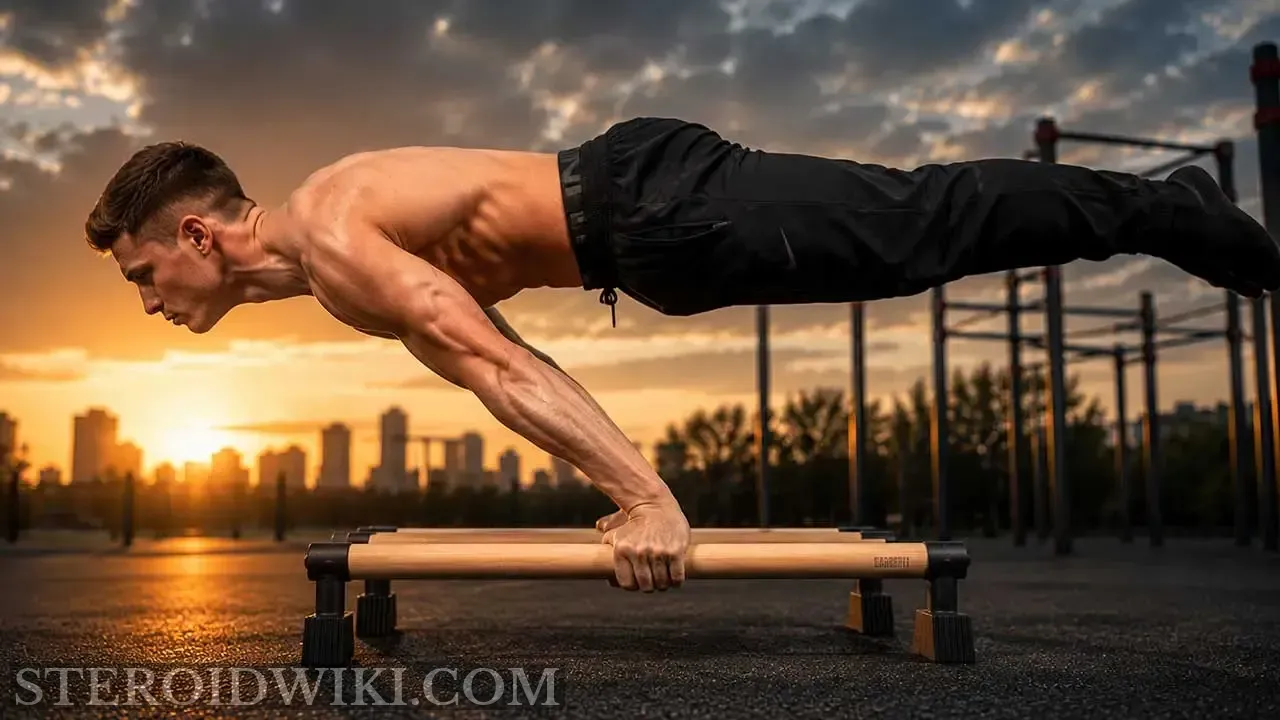
Your core engages in most calisthenics movements naturally, but core exercises do more than that; they help make your core more stable, which is ideal for more advanced calisthenics skills such as the human flag.
- Plank
- Hollow Body Hold
- Dead Bug
- Crunch
- Russian Twist
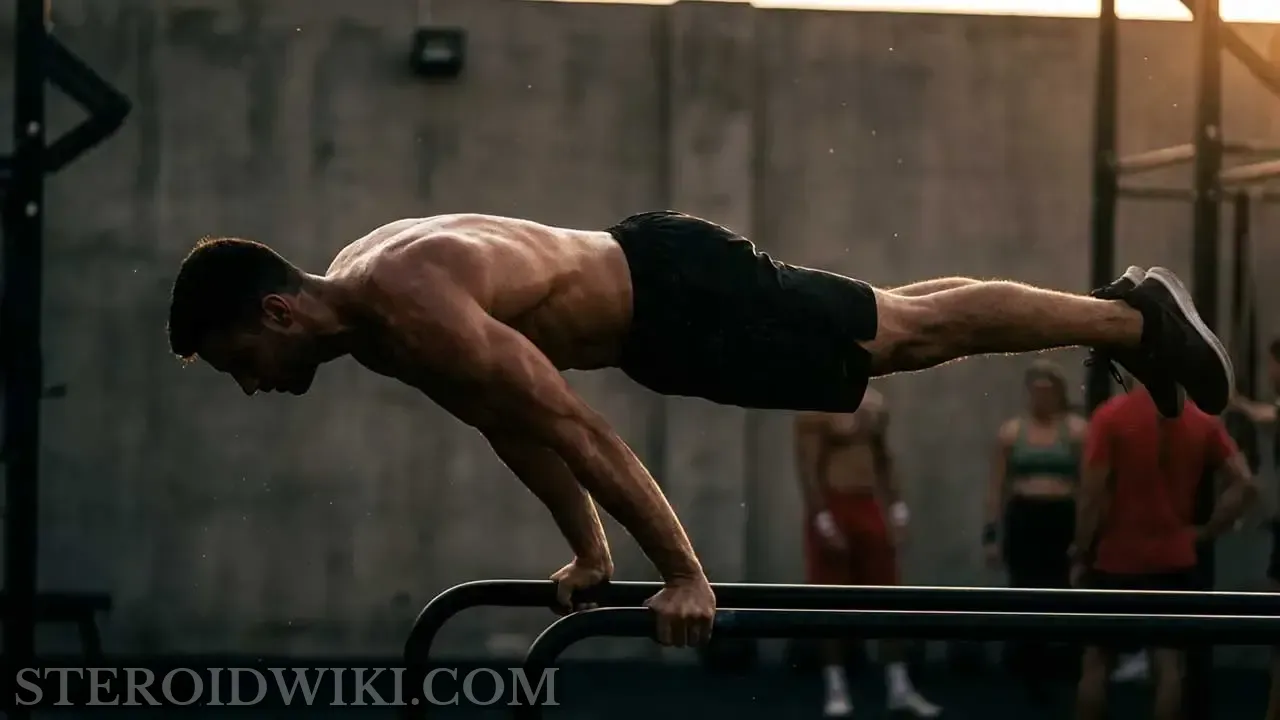
- Planche
- Dragon Flag
- Human Flag

Calisthenics Vs. Bodyweight Training
Calisthenics exercises are all bodyweight exercises, but bodyweight exercises are not always calisthenics. There is bodyweight involved in yoga, dance or running; however, you do not get progressive resistance, particularly for strength development.
While some equipment, such as pull-up bars, rings and resistance bands, can be used to increase difficulty, the principle of calisthenics is that the resistance should be generated by the body itself. Calisthenics (and other bodyweight movements) can increase cardiovascular fitness - particularly when done as calisthenics taped to intervals and performed as EMOMs, AMRAPS or as a HIIT session.
Calisthenics Vs. Weight Training
Building Strength and Muscle
Progressive overload training is king when it comes to increasing strength and muscle size. However, Calisthenics builds functional strength, teaches proper muscle engagement and has the potential to build muscle with proper and intelligent programming. Research has found that, when performed correctly and progressed appropriately, push-ups can help to build upper-body strength and thickness, though ultimately, over time, the weighted lifts are preferred for greater rates of increase in muscle hypertrophy.
Limits of Calisthenics
The amount of weight you can lift is restricted by your body weight. As long as you are gaining absolute strength, more complex push- and pull-up variations can increase the challenge, but eventually, absolute strength gains reach a ceiling. For large/muscular movements such as squats, deadlifts and presses, as much weight as possible should always be lifted to maximize strength potential.

Complementary Benefits
Calisthenics develops mobility, stability and awareness. This is a power that may be transmitted to weightlifting movements. Shoulder control may be the benefit a freestanding handstand provides, which in turn benefits your overhead pressing. Pull-ups are a great way to build strength in preparation for heavy lat pulldowns.
How to Start Calisthenics Training
Build Up to a Push-Up
- Straight-Arm Plank: Develop core and shoulder stability.
- Wall Push-Up: Decrease load to build confidence.
- Incline Push-Up: Lower the angle to increase difficulty.
- Kneeling Push-Up: Connect chest and arms.
- Half Push-Up: Decrease partially to build strength.
- Full Push-Up: Complete the movement with full range.
Build Up to a Pull-Up
- Inverted Row: Learn the pulling motion from the ground.
- Dead Hang: Build grip strength.
- Scapular Shrug: Activate your back muscles.
- Banded Pull-Up: Reduce weight with assistance.
- Banded Chin-Up: Alternative grip for progression.
Build Up to a Handstand
- Downward-Facing Dog: Assess shoulder and hamstring mobility.
- Straight-Arm Plank: Strengthen shoulders and core.
- Elevated Plank: Shift weight onto hands.
- L-Shape Plank: Prepare for inverted posture.
- Wall Handstand (back to wall): Begin upside-down practice.
- Wall Handstand (chest to wall): Gradually remove support
Sample Calisthenics Workouts
Beginner Workout
Do a circuit; rest for 1 minute between each round.
- Squat: 3 x 12
- Incline Push-Up: 3 x 12
- Hollow Body Hold: 3 x 30 sec
- Reverse Lunge: 3 x 12
- Inverted Row: 3 x 12
- Straight-Arm Plank: 3 x 30 sec
Intermediate Workout
- Box Jump: 3 x 10
- Pull-Up: 3 x 10
- Bulgarian Split Squat + Push-Up: 4 x 10
- Wall Handstand Hold: 3 x 30 sec
Advanced Workout
- Pistol Squat: 4 x 10
- Muscle-Up: 5 x 5
- Jumping Lunge: 4 x 12
- Handstand Push-Up: 3 x 10
- L-Sit Hold: 3 x 30 sec
Benefits of Calisthenics
- Train Anywhere: No Gym Needed. Include chairs, trees, benches or even the floor.
- Compound Movements: Multi-joint exercises that maximize efficiency.
- Adaptable for All Levels: Movements can be scaled up or down.
- Mobility Gains: Improve the range of motion in the shoulders, hips, and wrists.
How to Progress
- Change Exercise Angle: To increase or decrease the difficulty, adjust the leverage of the exercise.
- Reduce Stability: Perform unilateral movements such as single-arm push-ups or pistol squats.
- Tempo Training: Using slow eccentric or hold positions as an increase in time under tension.
• Increase Volume: Add reps, sets, or reduce rest to challenge endurance.
Key Takeaways
- Resistance Training using bodyweight is Calisthenics.
- All calisthenics are bodyweight exercises, but not all bodyweight exercises are necessarily calisthenics.
- Calisthenics is effective for functional muscle strength and mobility, but not for building large muscles.
- Beginners should focus on foundational movements; advanced athletes can explore handstands, muscle-ups, and human flags.
- Progressive overload is possible in a variety of ways, including adjustments to angles, stability, tempo, and volume.
Get Physical
Strength isn’t the only way to be strong through deadlifts. Calisthenics doesn’t have to be a one-rep max workout, but it demonstrates the power of an athlete’s control, athleticism, mobility and strength. From static-based pushes, such as pull-ups and handstand push-ups, to muscle-ups and human flags, your body is the best tool around. Whether you’re a beginner or a seasoned athlete, calisthenics offers an endless slate of options for strength training, mobility work, and a challenge.
Conclusion
Prone to thinking that it is all about the most muscle-building equipment? That is not the case; building muscle and strength consistently requires some challenge and progressive improvement over time. Calisthenics is an excellent reminder that your body weight should be one of your best training tools!
Although barbells and dumbbells will always hold a special place in strength training, calisthenics offers benefits beyond muscle growth. It combines so many skills of body control, coordination, mobility, balance and athleticism in gym classes that few training exercises can even come close.
It can start with a push-up or assisted pull-up, but will progress to more challenging skills that were previously unattainable. Each ascent provides tangible evidence of your growth, ability and confidence.
The best part? It doesn’t require any waiting around. You can begin right now. There are no membership fees, no complicated machines and no waiting for the ‘right conditions’. Only the body, the desire to learn, and a commitment to continual improvement. Once you develop those basics and maintain this routine, you’ll find some of the most incredible strength increases come from techniques for how you move your own body with power and precision.